Damaged and Non Running Car Removal in Squamish
A car that will not start can raise questions beyond its mechanical fault. Can it roll? Is the steering locked? Are the wheels fitted? Is there a clear route to collect it?
Sea To Sky Auto Recyclers provides scrap car removal in Squamish. If your vehicle is damaged or non running, contact us with its condition, position and collection address. Discuss what needs assessing before a collection appointment is agreed.
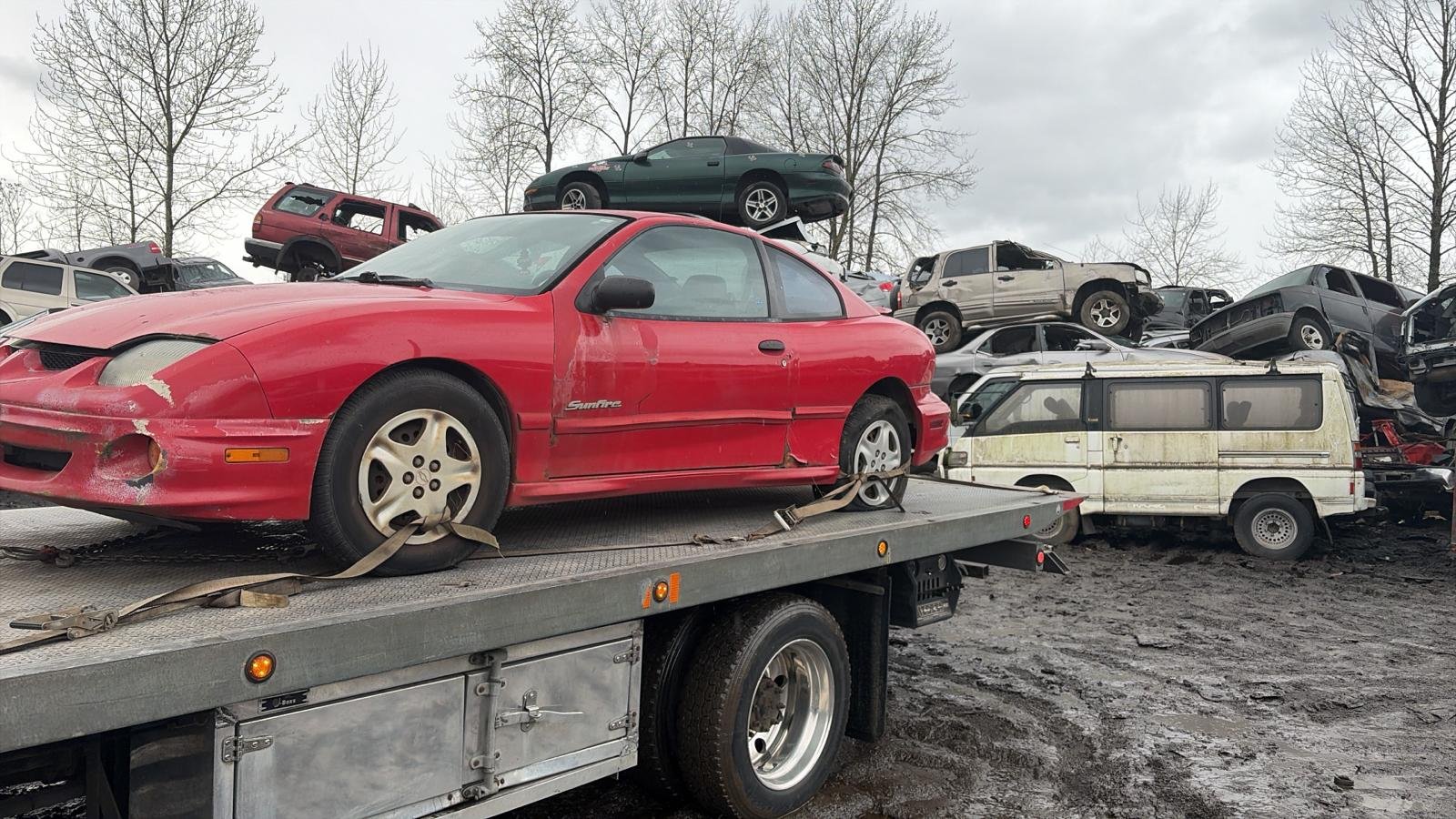
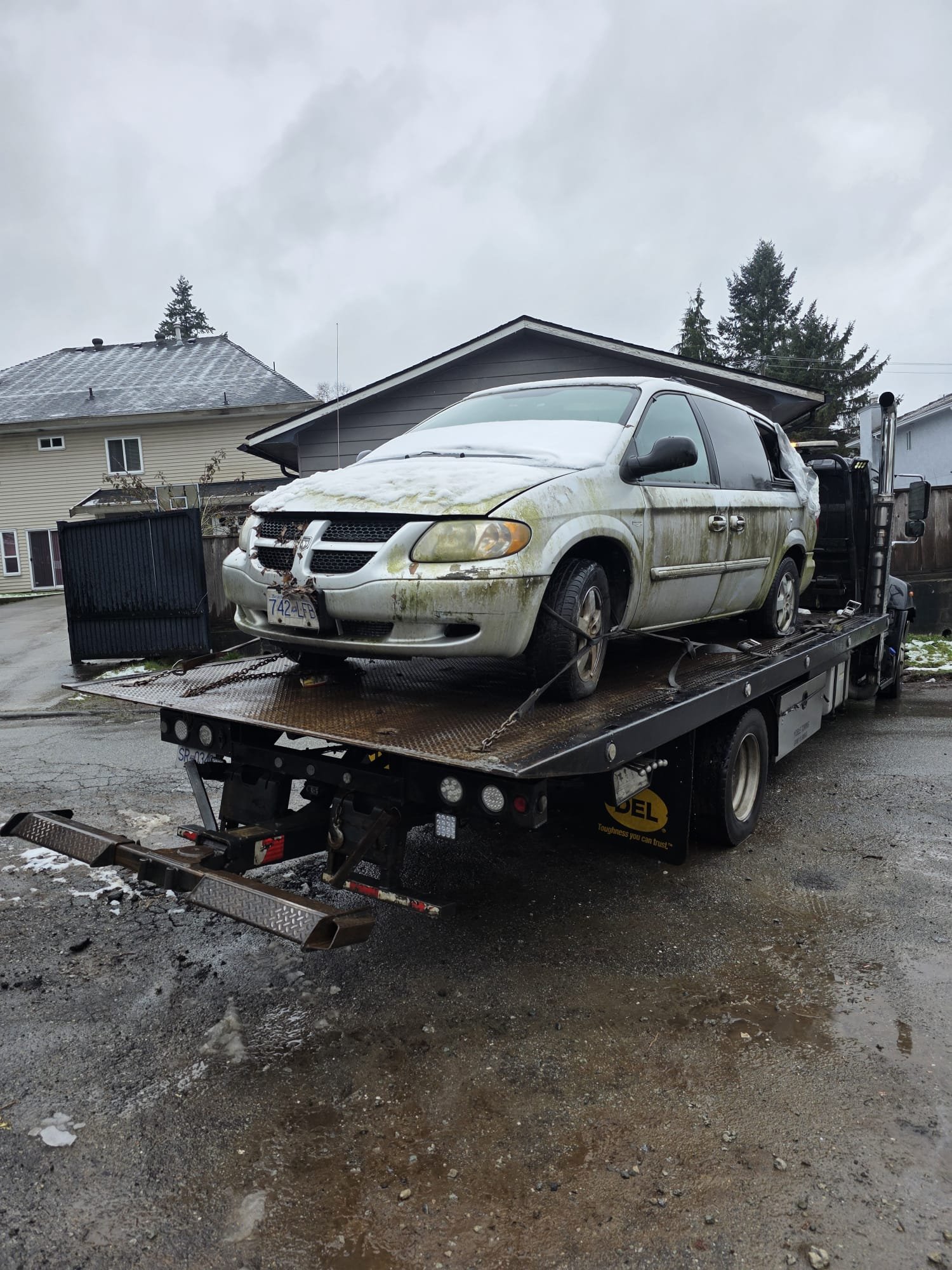
Local help for your next pickup.
Tell us about
your vehicle.
Tell us what needs removing and where it is. Start with the details you know.
236 799 0101
Daily, 7 am to 10 pm Pacific time.
Collection times are agreed separately.
On this page
Describe the problem in plain languageStarting, rolling and steering are different questionsMissing keys or locked steeringFlat tyres or missing wheelsAccident damage and insurance statusVehicles left unusedTight spaces and restricted accessWhat to share in your inquiryOffers and collection termsOwnership and preparationQuestions about damaged and non running vehiclesTalk through the vehicle and accessDescribe the problem in plain language
You do not need to diagnose a seized engine or identify every damaged component before making an inquiry. Explain what happened, how long the vehicle has been unused and what you know about its current condition.
If a mechanic or insurer has assessed it, mention the relevant facts without guessing at conclusions. Photos can help show visible damage, missing components and the car's position. Tell us if there are uncertainties so they can be discussed during the assessment.
Starting, rolling and steering are different questions
A vehicle may not start but still roll and steer. Another may have a working engine but be unsafe to move because of collision damage. Explain these things separately rather than describing both simply as a broken car.
Tell us whether the keys are available, whether the wheels are fitted and whether there are obvious obstructions. If you do not know whether something moves safely, say so. Do not try to test an unstable or damaged vehicle merely to answer a booking question.
Missing keys or locked steering
Let us know at the start if you cannot find the keys or the steering appears locked. Give the make, model and year, and describe where the car is parked. This information helps establish what needs checking for the actual collection request.
Do not assume a method used on a different car is suitable for yours. A collection arrangement depends on the vehicle and site, not only the symptom. Ask what information or photographs would be useful before booking.
Flat tyres or missing wheels
A flat tyre and a car resting without wheels present different collection questions. Explain how the vehicle is supported and whether it has been left on stands, blocks or another surface. Keep people away from an unstable vehicle.
Do not crawl underneath it, attempt a lift or improvise supports for the appointment. Describe its position and ask what should happen next. Collection suitability must be assessed rather than promised from a broad statement that every condition can be handled.
Accident damage and insurance status
Tell us about collision damage and whether an insurance claim is involved. Explain what you know about ownership and whether anyone else controls the decision to sell or dispose of the car.
A vehicle being described as a write off does not by itself resolve who may authorise removal. Confirm the relevant position with the insurer, owner or broker before agreeing to a transaction. Raise the issue early so it does not become a surprise on collection day.
Vehicles left unused
A car that has sat for months or years may have problems that are not obvious from an old description. Provide current photos if possible and explain whether access has changed. Another vehicle, stored materials or vegetation may now obstruct the approach.
You do not have to restart the engine for an inquiry. Tell us when it last moved, whether you have the keys and any known missing components. Use current information so the assessment reflects the car as it stands, not how it used to be.
Tight spaces and restricted access
Garages and shared parking
Describe the entrance, any height restriction and whether the vehicle sits behind another car. If a building manager controls access, confirm the permission needed and who will be available.
Gates and narrow approaches
Mention the gate position, available approach and anything blocking the route. Photographs showing the whole approach are often more informative than a close up of the damaged area alone.
Soft ground or slopes
Explain the surface and any obvious site concerns. Do not assume a collection arrangement suitable for an open, level driveway applies unchanged to a different setting.
These details do not establish that every restricted location is serviceable. They help identify what needs assessing before a collection is accepted.
What to share in your inquiry
- Vehicle year, make and model.
- Actual collection address and contact number.
- Known damage and whether the engine starts.
- Whether it rolls and steers, if safely known.
- Keys, wheels and missing components.
- Photographs of the vehicle and approach.
- Ownership, document or insurance questions.
- Access permissions and any deadline.
If a fact is unknown, say so rather than filling the gap with a guess. A clear inquiry can include uncertainty while still giving a useful picture of the request.
Offers and collection terms
Describe the vehicle accurately when discussing an offer. Damage, missing components and access may be relevant to the assessment. Ask what the proposed terms include, whether towing is included and how payment is arranged.
If something changes before the appointment, communicate it. A clear discussion before collection is more useful than relying on an offer for a different description. Keep the terms and appointment details so you can refer back to them.
Ownership and preparation
Explain whether you are the registered owner and what documents are available. If records are missing or another person owns the vehicle, confirm the appropriate procedure with the team and an Autoplan broker where needed before booking.
Remove belongings only where safe. Do not enter an unstable car or work around sharp, damaged or hazardous areas to prepare it. Tell the collection team about the situation and clarify what is appropriate for the actual vehicle.
Questions about damaged and non running vehicles
Can a car be collected if it will not start?
Contact us with the vehicle and location details. Explain whether it rolls and steers and describe the access route. A non running engine does not answer every collection question, so the arrangement needs to be assessed for the actual car and site before booking.
Do I need to repair the car first?
You can make an inquiry about the vehicle in its current condition. Describe the known problems rather than spending money on a repair just to ask about removal. The next step depends on its suitability for the service and the proposed collection arrangement.
What if the car is in an underground parking area?
Describe the building access, clearance and position of the vehicle, and confirm who can authorise entry. Ask whether the request can be assessed before scheduling. Do not assume a general pickup promise establishes that every underground location is accessible or suitable.
What if I do not have the keys?
Mention that at the first contact. Include the vehicle details and explain whether the steering or access is restricted. Do not attempt to bypass locks or improvise a loading method. Discuss what information is needed to assess the request properly.
Can I arrange collection after an insurance write off?
Explain the claim and confirm who has authority over the vehicle before agreeing to removal. Ask the insurer or appropriate party what applies to your circumstances. A write off description alone should not be treated as proof that the vehicle is yours to sell.
Can you give me a price from photographs?
Photos can help explain the condition and access, but ask what further information is needed for an assessment. Any offer should relate to the actual vehicle and arrangement. Confirm its conditions before accepting rather than assuming a photo establishes every relevant fact.
What if the car is on someone else's property?
Confirm authority over the vehicle and permission to access the property. These are separate questions. Identify the person controlling entry and resolve ownership or permission issues before booking, particularly in shared parking, managed sites or commercial premises.
Is difficult recovery included in ordinary pickup terms?
Ask directly before agreeing. Restricted access, missing wheels or an unstable position can introduce questions beyond a routine collection. Describe them accurately and confirm what is included for the job. Do not assume the same arrangement applies to every vehicle and location.
Talk through the vehicle and access
Call Sea To Sky Auto Recyclers with what you know. Explain the car's condition, where it is parked and any questions about ownership or access so the next step can be discussed.
Your next step starts
with a conversation.
Tell us about your vehicle or heavy equipment and the collection location. We will discuss what needs to happen next.