Heavy Equipment Removal in Squamish
When unwanted machinery needs moving, the first step is understanding the equipment and its site. Sea To Sky Auto Recyclers provides heavy equipment removal in Squamish. Contact us with the machine type, collection location and available photographs to discuss whether the request fits our service.
A machine that no longer operates may still need careful access and loading assessment. Give an accurate description rather than trying to move it before you call. The arrangement should be based on the item and location, not a general promise about every machine.
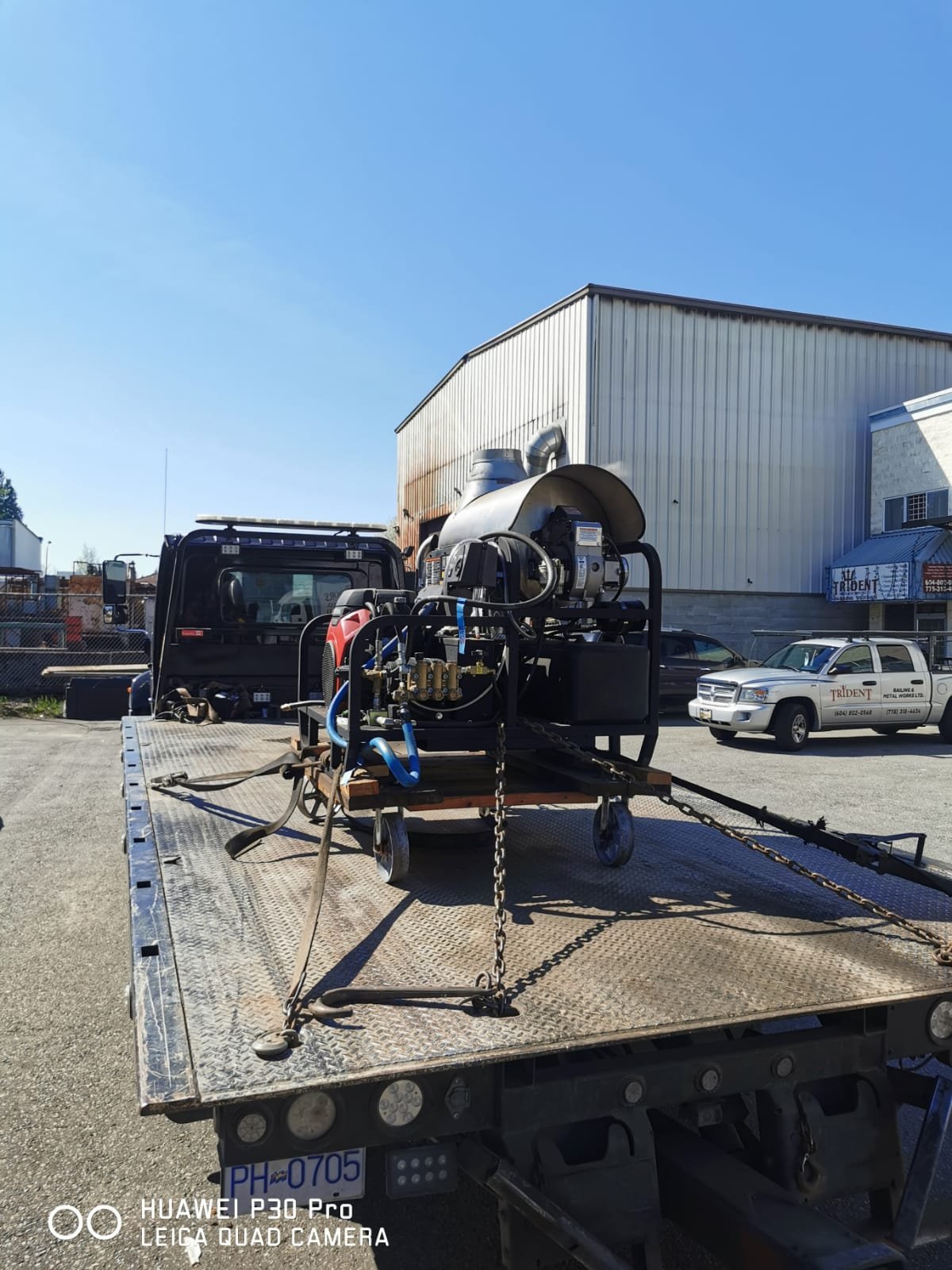
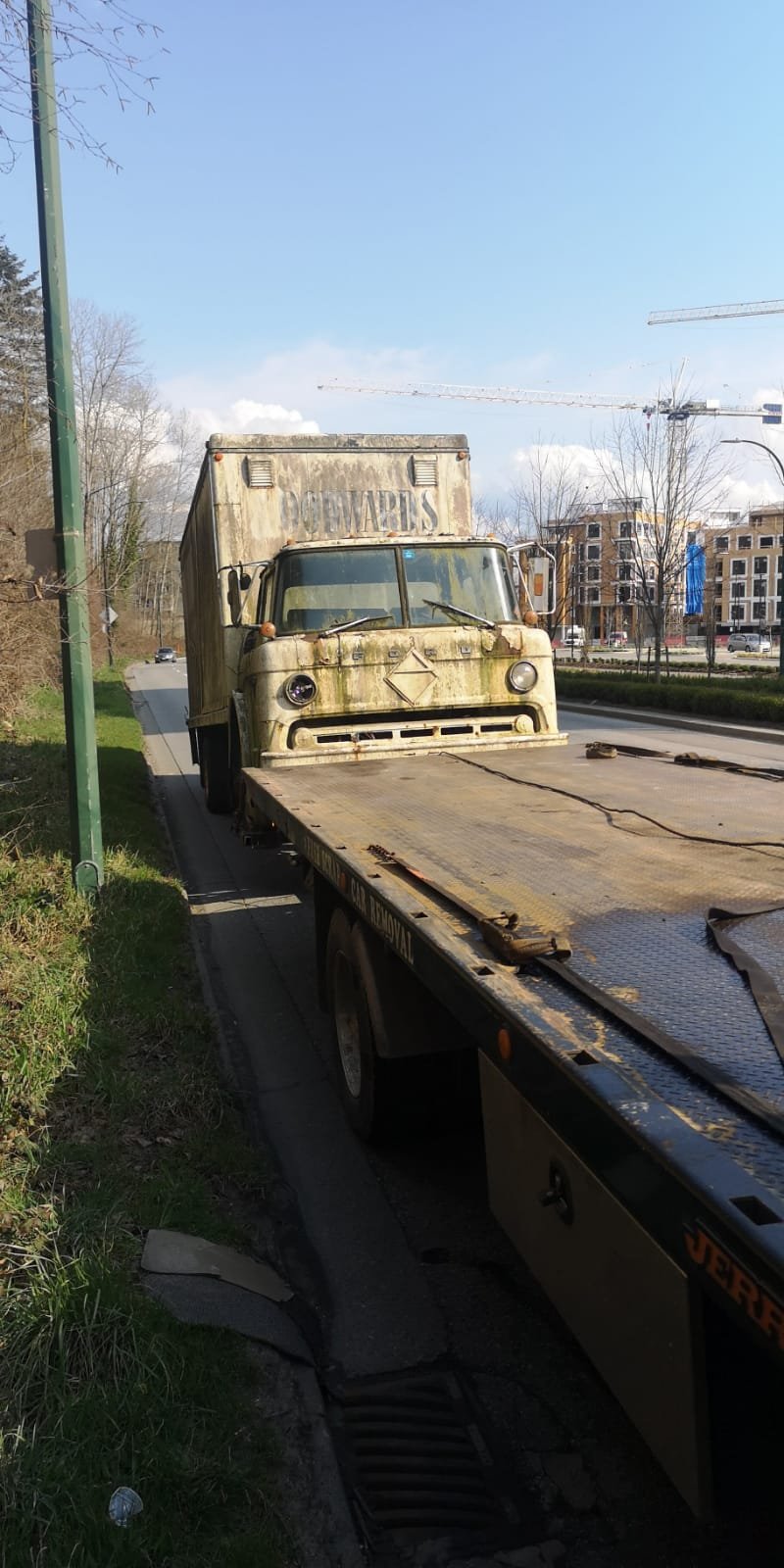
Local help for your next pickup.
Discuss your
equipment removal.
Tell us what needs removing and where it is. Start with the details you know.
236 799 0101
Daily, 7 am to 10 pm Pacific time.
Collection times are agreed separately.
On this page
Tell us what needs removingThe site matters as much as the machineUseful information for an initial assessmentA collection assessment before an appointmentDiscuss the commercial terms clearlyFluids, batteries and site concernsPrepare only what has been agreedBusiness and property owner inquiriesRequests elsewhere in the Sea to Sky regionVehicles and machinery are separate assessmentsHeavy equipment removal questionsDiscuss the equipment and siteTell us what needs removing
Start with the equipment type and any identification you have. Include its approximate dimensions and weight if known. Explain its condition, whether it operates or moves, and whether attachments or separate components are part of the request.
If you do not know the weight or technical details, say so. Photographs of an identification plate may help, but only take them where safe and accessible. Do not climb onto unstable equipment or remove guards to obtain information for an inquiry.
The site matters as much as the machine
A close up of the equipment does not show the whole collection job. Describe the approach, entrances, surface and available space. Explain whether another item blocks the route and whether the site is occupied or shared.
Include photographs of the wider setting as well as the machine. Tell us about gates, restricted access or a site contact who needs to arrange entry. These details help identify questions before a collection time is discussed.
Useful information for an initial assessment
Equipment identity and size
Provide the machine type, make and model if known. Share approximate dimensions and any reliable weight information. Avoid guessing a precise figure where you do not have one; explain the uncertainty instead.
Condition and movement
Tell us whether the equipment operates, rolls or has been partly dismantled. Describe damage or removed components. Explain how long it has been stationary and whether its condition has changed since earlier photographs were taken.
Attachments and separate items
Identify attachments, accessories and other machines included in the inquiry. A photograph showing several items should not leave uncertainty about which ones are to be removed. Describe each item separately where its requirements differ.
Access and permissions
Give the address and identify the person who can authorise removal and site entry. Explain any booking requirements, restricted hours or shared access. Permission to enter a site is different from authority to dispose of the equipment.
A collection assessment before an appointment
Contact us with the information you have and ask what else is needed. Some questions may be answered by a better photograph or clearer description; others may require further assessment before any arrangement can be agreed.
Do not assume that a short inquiry establishes lifting capacity, transport suitability or acceptance of every item. The purpose of the first conversation is to establish whether the request fits the service and what the next step should be for that particular job.
Discuss the commercial terms clearly
Ask whether the arrangement involves a purchase offer, a removal charge or another agreed basis. Heavy equipment should not automatically be treated like a standard scrap car pickup. Its size, condition, access and collection requirements need their own discussion.
Confirm what is included and what must happen before collection. Ask about payment, any relevant conditions and what could require reassessment. Keep a record of the agreed scope, especially where a site contains multiple items or different parties are involved.
Fluids, batteries and site concerns
Tell us about known leaks, batteries or other relevant hazards. Identify the issue without attempting to drain, dismantle or handle something merely to prepare an inquiry. Give the team the information needed to discuss the request appropriately.
A removal enquiry does not establish that hazardous material handling, remediation or every form of waste collection is included. Explain what you know and ask which responsibilities need resolving before a collection arrangement can be accepted.
Prepare only what has been agreed
Once the request has been assessed, confirm what the site needs to provide. That may include an authorised contact, access arrangements or information about other work happening nearby. Do not assume equipment must be dismantled or repositioned before collection.
Avoid improvising a lift or tow to create space. If an obstruction or site condition changes after the assessment, tell the team before the appointment. A collection plan needs to reflect the conditions on the day rather than an earlier description that is no longer accurate.
Business and property owner inquiries
If you represent a business, identify who owns the equipment and who can approve the transaction. Explain any records your organisation requires and the contact who can confirm details. Raise approval or documentation questions before booking.
For property related requests, confirm ownership and access rights rather than assuming an item can be removed because it is present on a site. Where authority is unclear, resolve it with the responsible parties before agreeing to collection.
Requests elsewhere in the Sea to Sky region
Sea To Sky Auto Recyclers is based in Squamish. For machinery at another address in the region, give the location and job details so availability can be discussed. Distance alone does not describe the full collection requirement.
Confirm the arrangement before organising staff, opening a site or setting aside a particular day. Contact hours are 7:00 am to 10:00 pm daily, Pacific time. Equipment collection appointments are agreed separately for the job.
Vehicles and machinery are separate assessments
If you have scrap cars as well as equipment, include both in the inquiry and identify the individual items. A single property can contain requests with different access, ownership and collection requirements.
Our scrap car service has its own page explaining vehicle details and pickup questions. Machinery inquiries should include dimensions, weight if known and site photographs rather than relying only on the information needed for a car.
Heavy equipment removal questions
What types of equipment can I enquire about?
Call with a description of the machinery and its location. Include the make, model, dimensions and weight if known. Acceptance must be confirmed for the specific item and job. Do not assume that a general machinery removal service covers every size, condition or type of equipment.
Can equipment be collected if it does not operate?
Explain the current condition and whether the machine moves. Photographs of its position and the access route help describe the request. A non operating machine needs an assessment of the collection requirements; do not attempt to make it run or move just to enquire.
Do I need to know the exact weight?
Share reliable information where available and say when a figure is unknown or approximate. An identification plate or manufacturer information may be useful if safely accessible. Do not present an estimate as a confirmed value or assume a booking can proceed without clarification where weight matters.
Is heavy equipment removal free?
Confirm the terms for the actual job. Ask what the arrangement includes and whether it involves an offer, a charge or other conditions. Vehicle pickup terms do not automatically apply to machinery. Explain the equipment, access and scope before making a decision.
Can several items be assessed together?
Describe each item and show which machines or attachments are included. Give the location and relevant differences in size, condition or access. Ask whether the combined request fits the service before organising staff or planning a collection day around it.
Should I drain fluids or remove attachments?
Do not carry out work just to prepare an inquiry. Explain the fluids, attachments and known concerns so responsibilities can be discussed. Any preparation needs to reflect the actual item and agreed arrangement rather than a general assumption that dismantling is necessary or safe.
Can you work around a business schedule?
Tell us about access hours, site contacts and any deadline during the inquiry. Scheduling needs to be agreed for the specific job and location. Contact hours are separate from collection availability, and a request does not automatically reserve a time or establish suitability.
What documents will I receive?
Ask what records are available for the proposed arrangement and explain any requirements your business has. Confirm them before accepting. Do not assume a particular destruction certificate, environmental record or transaction document is provided for every machine without checking the actual process.
Discuss the equipment and site
Contact Sea To Sky Auto Recyclers with the machine details, collection address and available photographs. Establish the scope and next step before making removal arrangements.
Your next step starts
with a conversation.
Tell us about your vehicle or heavy equipment and the collection location. We will discuss what needs to happen next.